Chelsea
A green carnosa cultivar with thick, cupped leaves and paired dimples.
Explain Chelsea’s foliage and naming history while keeping reported origins and individual plant identity separate.
Overview
Chelsea is grown for its rounded, cupped green leaves, which can look almost heart-shaped. Paired depressions give the foliage a distinctive texture. The Hoya cultivar registrar dates establishment of the cultivar name Chelsea to Hatch’s 2024 treatment. The registrar credits Chuck Ebersole with naming the plant, while leaving its originator uncertain. This profile concerns green Chelsea. Similar leaf shapes on other carnosa plants do not establish that they are Chelsea.
Photo Gallery
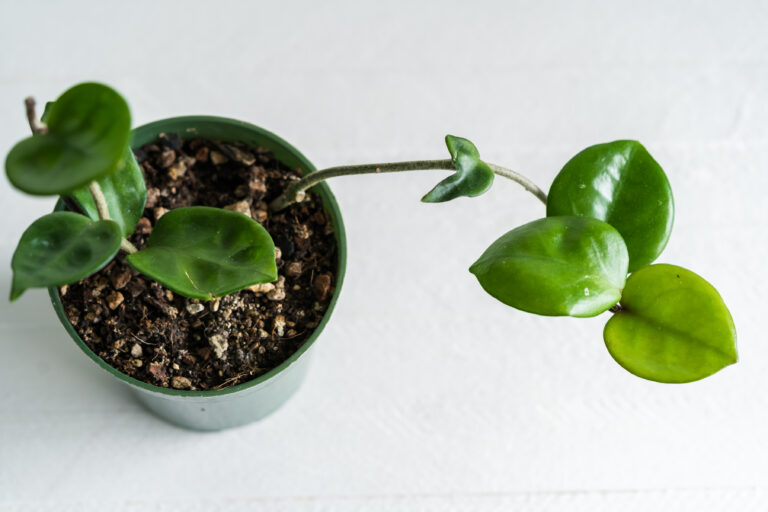 Chelsea foliage, top viewView photo detailsClose photo details
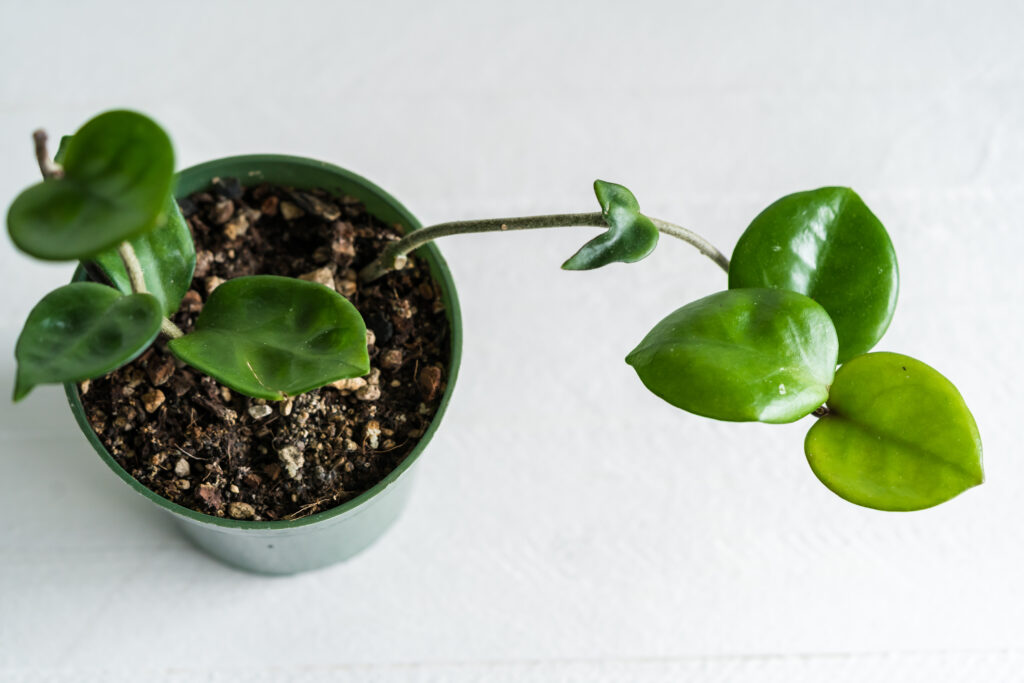
Cupped green leaves and paired dimples on a plant labelled Chelsea. Photograph by Rebecca Baron.
Photographer or creator: Rebecca Baron
Identification basis: Creator-supplied Chelsea identification and original filename, consistent with visible cupped green foliage. Original cultivar lineage unverified.
Rights and reuse: © Rebecca Baron. Used with the photographer’s permission. All rights reserved; further reuse requires permission.
Image record: IMG-000244
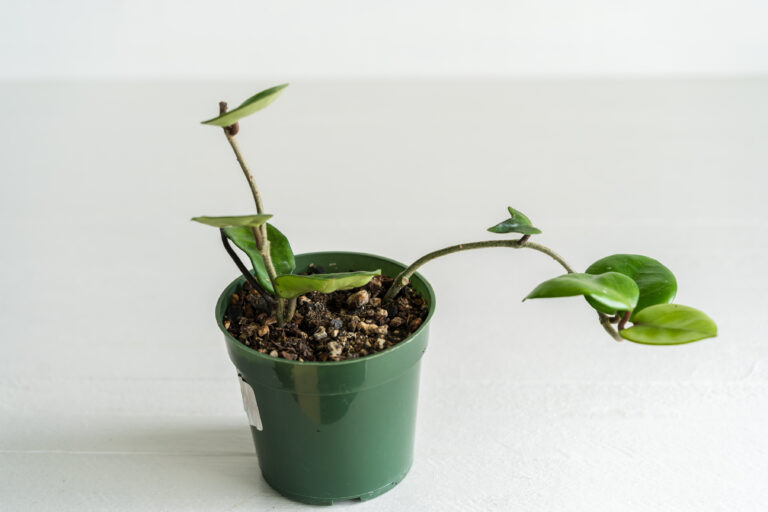 Chelsea foliage, side viewView photo detailsClose photo details
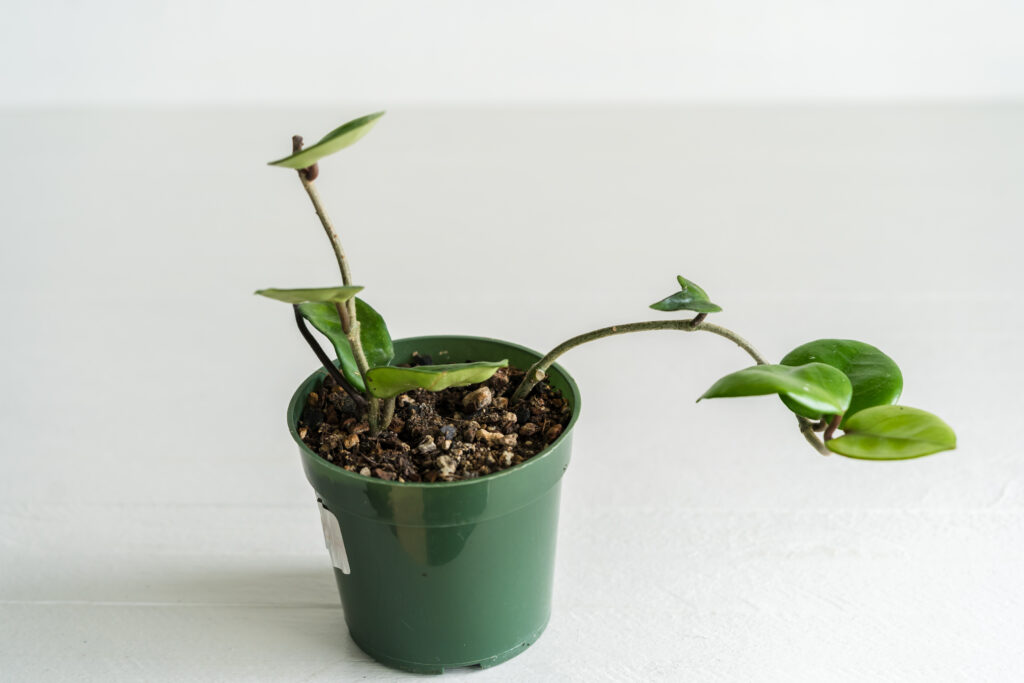
A side view of the plant labelled Chelsea, showing its stems and cupped green leaves. Photograph by Rebecca Baron.
Photographer or creator: Rebecca Baron
Identification basis: Creator-supplied Chelsea identification and original filename, consistent with visible cupped green foliage. Original cultivar lineage unverified.
Rights and reuse: © Rebecca Baron. Used with the photographer’s permission. All rights reserved; further reuse requires permission.
Image record: IMG-000245
Evidence-Based Growing Insights
No form-specific care conclusion has passed review. The parent Hoya page remains the source for shared information; generic advice is not repeated here.
What We Know
- The cultivar registrar describes thick, cupped leaves, ranging from oval to heart-shaped, with paired dimples alongside the midrib. It also describes close stem spacing and little silver splash. A single rounded or cupped leaf is insufficient to identify a plant (Brief Description).
- The registrar describes a climbing vine with white to pale pink corollas 1.5–2 cm across. This measurement concerns individual corollas, rather than the diameter of an entire flower cluster (Inflorescence; Habit).
- Vosbury’s 2008 account documents Chelsea already in cultivation under that name. On 16 October she reported receiving her plant through a trade the previous year and described green, dimpled foliage. Her plant had not flowered. This is a dated keeper report, rather than a verified selection date or a rule about Chelsea’s flowering (post 5680213).
- The 2012 newsletter reports that its writer had grown Chelsea material for more than twelve years. It also mentions an earlier name without identifying it or supplying the underlying records. That remains an attributed historical report, rather than an accepted earlier name or a continuous history for a modern plant (physical PDF p. 9).
- The cultivar registrar accepts the name and attributes its establishment to Hatch in 2024. It reports Chuck Ebersole as the person who named it, while leaving the originator uncertain. The original selection records and cited Hatch treatment remain to be checked. The establishment date does not mean the plant first existed in 2024.
- The reviewed sources do not provide a controlled Chelsea-specific comparison of light, water, substrate or humidity. Nursery recommendations and individual accounts can help frame questions, but do not establish a special care regime. Shared species information remains on the parent carnosa page.
What We Are Still Learning
Who selected the original Chelsea, and what was its earliest documented name?
What would help: Original labels, selector or nursery records and dated naming publications that can test the later historical reports.
How are Chelsea plants now maintained connected to the early material?
What would help: Separate accession histories and dated propagation and transfer records, with leaf and flower documentation.
How consistently do traceable Chelsea plants retain their characteristic foliage after propagation?
What would help: Repeated records across growth and propagation generations, with growing conditions and comparison material.
Can you provide a documented Chelsea photograph that the Library may display?
What would help: An original photograph of a labelled, traceable plant, its identification basis, creator credit and permission or a verifiable reuse license.
Common Misconceptions
- Chelsea was already discussed in 2008. The registrar’s cited 2024 name-establishment date is not a date of origin.
- Heart-shaped or cupped leaves alone do not identify Chelsea or turn a variegated carnosa into variegated Chelsea.
- A reported older name is not an accepted synonym without the original naming evidence.
- One keeper’s plant failing to flower does not show that the cultivar cannot flower.
- Distinctive leaf texture does not by itself prove a genetic cause or a need for a different watering schedule.